


4WD LED Work Lights
4WD LED work lights provide dependable lighting when daylight fades and the work still needs to be done. They make it easier to see when repairing a vehicle, setting up camp, loading gear, or working late on site. Australian conditions are rarely forgiving, especially once you leave sealed roads. Dust, vibration, moisture, heat, and long operating hours are part of normal use. Quality 4WD LED work lights are built with this in mind, delivering strong light output with low power draw, even in demanding environments.
Read More...
Why 4WD LED Work Lights Beat Older Options
Older halogen lights and basic portable lamps often struggle off-road or on job sites. They draw more power than most vehicle systems like, generate excess heat, and tend to fail early when exposed to vibration or water. Modern 4WD LED work lights are engineered to avoid these problems.
Compared to older lighting, LED work lights offer:
- Higher light output with a cleaner, more usable beam
- Lower power use for vehicle and off-grid systems
- Minimal heat build-up during long periods of use
- Tough housings that resist impact and vibration
- Long LED lifespan that reduces replacements
These advantages make work lights 4x4 setups a practical choice for tradies, tourers, and weekend campers who rely on consistent lighting.
Versatile Lighting for Vehicles, Camps, and Work Areas
4wd work lights suit a wide range of applications. They are commonly fitted to 4WDs and utes for reversing, tray lighting, and side work areas. They are also well suited to caravan kitchens, storage zones, trailers, sheds, and machinery where fixed lighting is not available.
Mounting options allow for both permanent and temporary setups. Fixed brackets work well for vehicle installations, while magnetic bases and clamps suit lights that need to be moved or repositioned. Placement makes a real difference. A well-positioned light provides useful coverage without harsh glare or wasted light.
Work lights also integrate well with other lighting upgrades. LED headlights support everyday driving. LED driving lights add distance and reach. LED camp lights help create a comfortable and practical campsite after dark.
Key Features for Real Conditions
Every product in our range is selected with Australian use in mind. These lights are designed to handle exposure to weather, vibration, and rough travel without compromising performance.
You can expect:
- High-lumen output for clear visibility
- Flood, spot, or combination beam options
- Shock-resistant housings for rough conditions
- Dustproof and waterproof sealing
- Low power draw suited to vehicles and battery systems
- Multiple mounting options for flexible positioning
These features help 4wd led work lights remain dependable across work sites, camps, and remote tracks.
Why Choose Vic Offroad
Vic Offroad supplies lighting used by tradies and outdoor travellers across Australia. Our 4WD LED work lights are selected for durability, practical design, and consistent brightness in real-world conditions.
You get:
- Tough lighting built for harsh environments
- Efficient performance that suits modern electrical systems
- Versatile options for work, camping, and recovery
- Reliable output over long periods of use
- Helpful support when choosing the right setup
Setup and Maintenance Tips
A small amount of care helps keep your lights performing at their best.
- Mount lights securely to reduce vibration
- Use proper wiring with relays and fuse protection
- Aim lights carefully to limit glare and shadows
- Clean lenses regularly to maintain brightness
- Check seals after wet or dusty trips
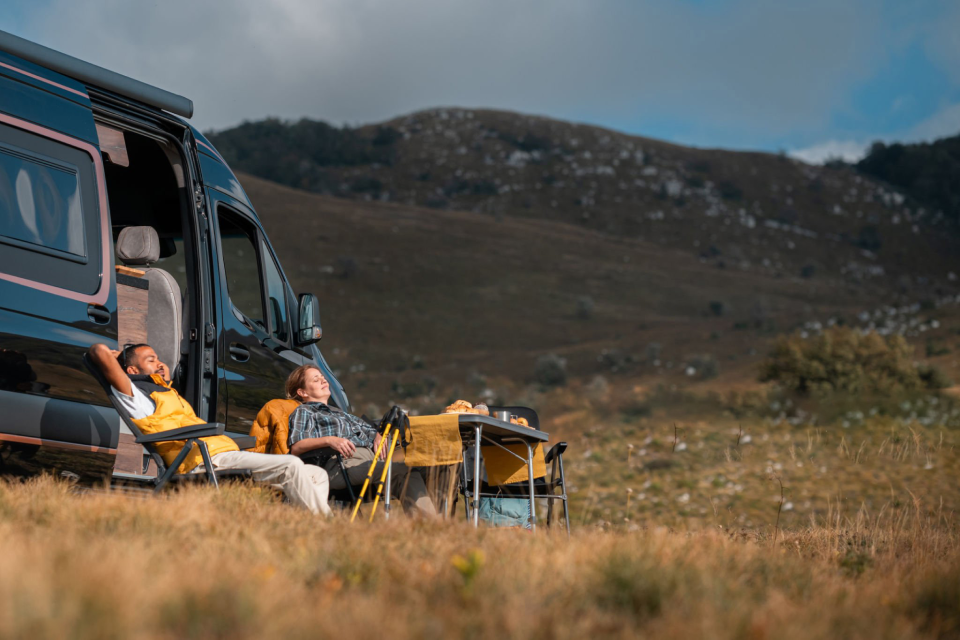
Why Shop With Vicoffroad
At Vicoffroad, our passion for the great outdoors drives us to deliver excellence in the outdoor and adventure space. As an emerging brand inspired by the shared passion of Australians for nature's wonders, we are committed to delivering nothing short of outstanding products and exceptional customer service, ensuring your outdoor experiences are truly triumphant.
LEARN MORE


4WD LED Work Lights FAQ
Q: What beam type is best for work lighting. Flood, spot, or combination?
A: Flood beams suit close-range tasks and wide coverage. Spot beams work better for distance. Combination beams provide a balance of both.
Q: Are LED work lights suitable for mounting on vehicles or machinery?
A: Yes. They are commonly fitted to 4WDs, utes, trailers, and machinery when mounted securely.
Q: What IP rating should I look for in harsh environments?
A: A high IP rating offers better protection against dust and water, which is important for outdoor installations.
Q: How do I wire or power an LED work light safely?
A: Use a proper wiring harness with fuses and relays, and follow the manufacturer’s installation guidelines.
Q: How do I maintain the light to maximise brightness and lifespan?
A: Keep the lens clean, inspect mounts and wiring, and check seals after exposure to water or dust.