


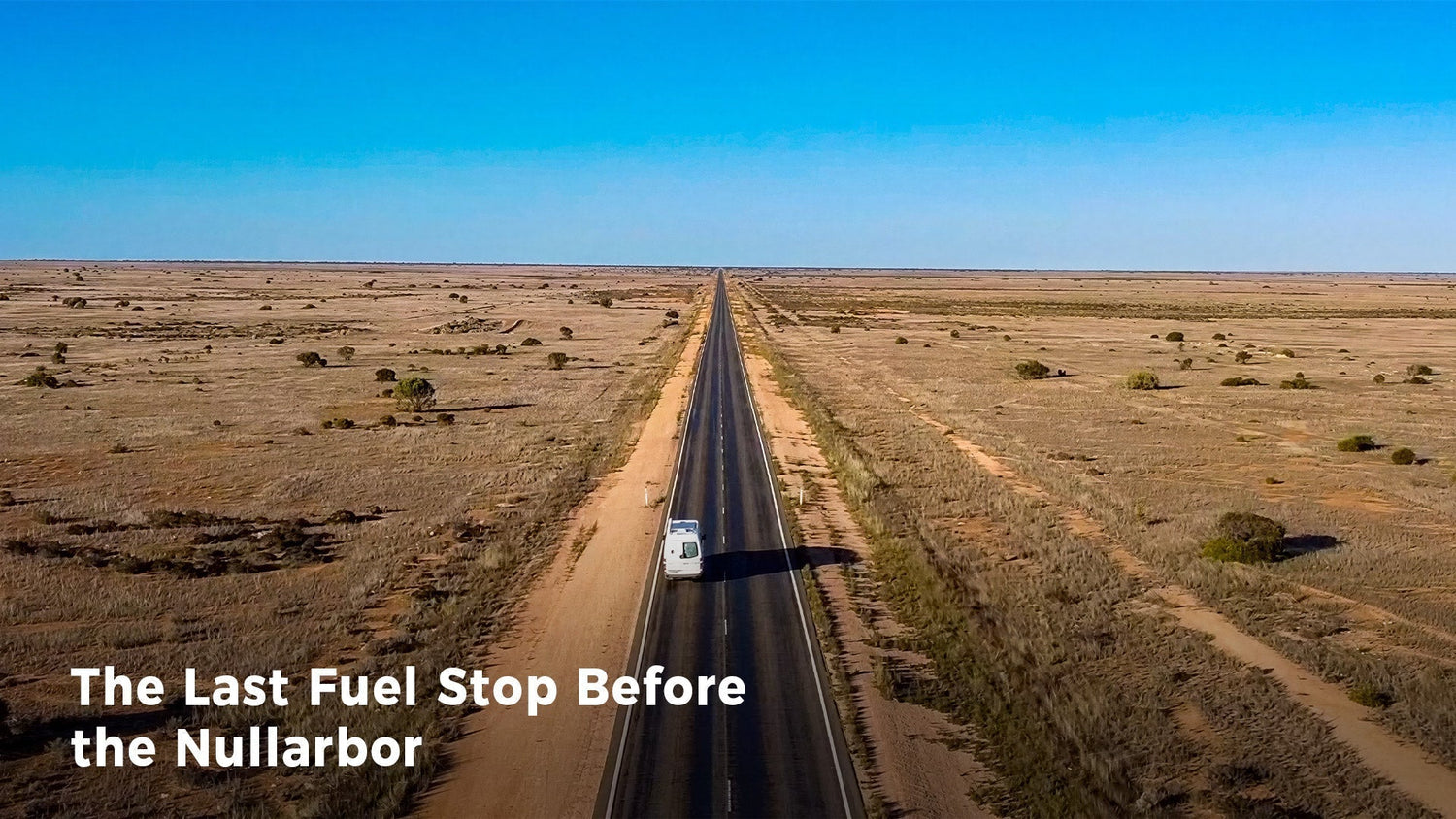
There is a particular mood at the last servo before the Nullarbor. Nobody is rushing exactly, but nobody is relaxed either. Drivers top off fuel, refill water, check straps, tap tyres with their boots, and look west as if the horizon has asked them a question.
Once that station disappears in the mirrors, Australia begins to feel truly vast. Towns become scarce, phone reception fades away, and the road stretches endlessly through shimmering heat. Every decision made while packing suddenly matters.
Small Problems Become Big Problems Fast
A loose battery terminal, a slow tyre leak, or a fridge drawing too much power overnight may seem insignificant in the city. Hundreds of kilometres from the nearest workshop, those same issues can quickly reshape an entire journey.
That is why experienced long-distance travellers pay close attention to the details that rarely make it into travel photos. A dependable dual-battery system is not simply about comfort—it keeps the fridge running, navigation charged, camp lighting powered, and essential equipment operating when help is a very long way away.
The ATEM POWER 100Ah Slimline LiFePO4 Battery fits neatly into canopy and drawer-system installations while delivering reliable off-grid power for extended touring. On a Nullarbor crossing, efficient battery management becomes part of both convenience and safety.

Tyres Take a Hidden Beating
The Nullarbor does not appear technically challenging, which is exactly why it catches people off guard. Endless kilometres of hot bitumen, gravel shoulders, subtle corrugations, and fully loaded vehicles quietly wear tyres down hour after hour.
You notice it most after sunset. The tyres still radiate heat, dust clings to everything, and you find yourself checking pressures by torchlight while road trains thunder past. Suddenly, a simple pressure adjustment feels far more important than it did back home.
The San Hima 12V Dual Cylinder Air Compressor makes adjusting tyre pressures quick and accurate when moving between sealed highways, gravel detours, and remote campsites. After a full day behind the wheel, reducing setup time and removing guesswork simply becomes part of good touring practice.

Camp Feels Different Beside an Empty Highway
Camping along the Nullarbor is rarely the polished version seen on social media. It is wind, flies, dust, and meals prepared while keeping an eye on the weather. Yet it is also one of the few places where silence feels genuinely immense.
- Arrive just before sunset.
- Let the day's heat fade.
- Set up camp while the kettle boils.
- Enjoy an evening with no reception, no crowds, and only the occasional road train in the distance.
Fast camp setup becomes invaluable in this environment. A rooftop tent keeps you off uneven ground and away from dust-heavy campsites, while a reliable awning provides instant shelter from the harsh afternoon sun. The less time spent setting up camp, the more time you have to appreciate Australia's remote landscapes.

Wildlife Does Not Care About Your Schedule
Kangaroos, camels, wombats, and livestock become a real hazard after dark. Remote highways demand significantly greater visibility than factory headlights can provide, especially after a long day when driver fatigue begins to set in.
The LIGHTFOX 40-inch Vega LED Driving Light Bar helps extend long-range visibility when the road ahead disappears into darkness. Improved visibility allows drivers to spot wildlife earlier, reducing the risk of collisions and helping keep both the journey and the vehicle moving safely.

Why People Keep Crossing Australia
Driving the Nullarbor sounds unreasonable on paper: long distances, expensive fuel, repetitive scenery, and very little margin for careless planning. Yet people keep doing it.
There is a particular mood at the last servo before the Nullarbor. Nobody is rushing exactly, but nobody is relaxed either. Drivers top off fuel, refill water, check straps, tap tyres with their boots, and look west as if the horizon has asked them a question.
Once that station drops into the mirrors, Australia begins to feel properly large. Towns thin out. Phone signal fades. The road runs arrow-straight through heat shimmer for hours, and every small decision you made while packing starts to matter.
What Experienced Nullarbor Travellers Pack
- Dual-battery setup
- Portable air compressor
- Recovery tracks
- Solar charging system
- Rooftop tent or fast-deploy shelter
- LED driving lights
- Extra fuel storage
- Emergency water supply
- Tyre repair kit
- UHF radio or emergency communications
Remote travel becomes far easier when the vehicle is organised, self-sufficient, and prepared for the kind of problems that do not announce themselves early.
FAQ – Driving Across the Nullarbor
How long does it take to cross the Nullarbor?
Most travellers allow 2–4 days, depending on stops, coastal detours, camping plans, and how slowly they want to move.
Is the Nullarbor dangerous?
The main risks are fatigue, wildlife collisions, tyre issues, heat, and the long distance between services.
Do I need recovery gear?
Yes. Even if you stay mostly on sealed roads, roadside camps, gravel pull-offs, and remote detours can still create recovery situations.
Can you camp along the Nullarbor?
Yes. Roadside rest stops, remote campsites, and coastal cliff areas are popular with overlanders, but always check local rules and conditions before stopping overnight.

Final Thoughts
The Nullarbor is not about adrenaline. It is about distance, preparation, and the calm confidence that comes from knowing your setup can look after you.
Somewhere between that last fuel stop and the empty road ahead, you begin to understand why Australians keep returning to remote touring—and why a road this simple can stay with people for years.

Leave a comment
This site is protected by hCaptcha and the hCaptcha Privacy Policy and Terms of Service apply.