


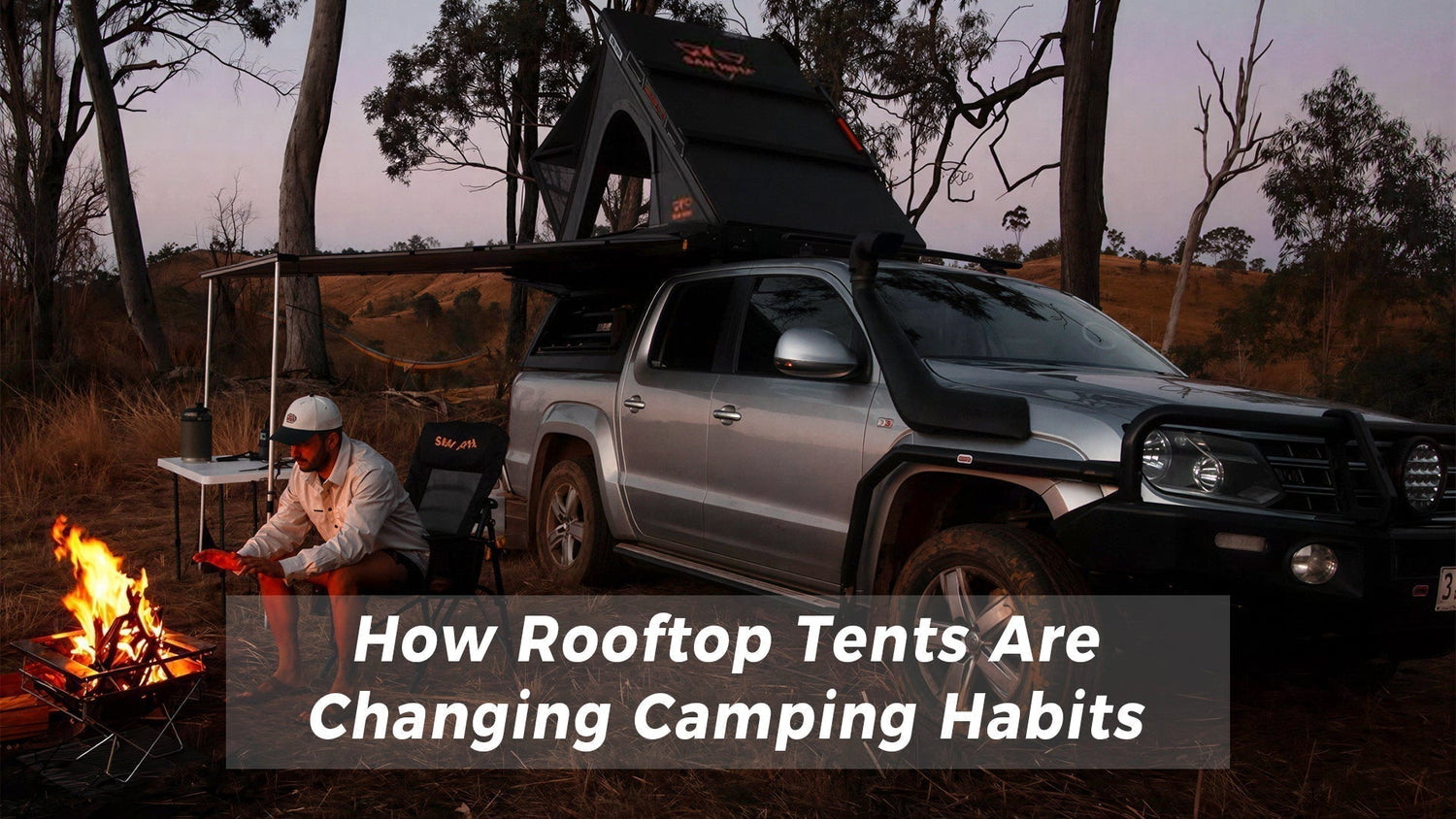
From Arrival to Sleep in Minutes: How Rooftop Tents Are Changing Camping Habits
Camping habits are shifting. Instead of long setup routines and bulky gear, many outdoor travelers now prioritize speed and simplicity. The goal is straightforward: arrive, set up quickly, and enjoy the environment without friction. This shift is especially visible among overlanders and 4WD enthusiasts who move frequently between locations.
Yet, the transition to rooftop tents hasn’t eliminated all challenges. Newer designs—particularly San Hima’s rooftop tent lineup—reflect this shift toward convenience and usability, offering solutions like electric rooftop tents, lightweight RTTs, and integrated comfort features.
In this guide, we’ll explore how these designs fit into real camping routines, what trade-offs they involve, and how to choose a setup that aligns with your travel style.

Turn any stop into a campsite with a rooftop tent setup
The “Arrive Late” Scenario
For many users, camping begins after sunset. In this context, setup speed becomes critical.
San Hima Kosci E-Rise electric rooftop tents simplify this process. Instead of unfolding fabric and adjusting poles, users can deploy the tent with minimal effort—perfect for low-light conditions where traditional setups become frustrating.
However, this convenience comes at the cost of additional weight and mechanical complexity.

Set up your camp in minutes—even after sunset
The “Daily Driver” Constraint
Not all vehicles are dedicated camping rigs. Many users need a tent that works with their everyday car.
- Keeping weight manageable
- Maintaining a slim profile
- Allowing garage access without removal
Lightweight options like the Kalbarri model make this possible, offering a balance between daily usability and weekend adventure.

Designed to stay on your vehicle—even for everyday use
Comfort vs Space
Comfort is often underestimated until the first night outdoors. Users frequently point to mattress quality, interior space, and ventilation as deciding factors.
- Foam mattresses designed for extended sleep
- Skyview windows for airflow and visibility
- Integrated lighting systems
San Hima Kalbarri Side rooftop tents address these needs well. Still, space remains more limited compared to traditional ground tents—especially for more than two occupants.

Comfort matters more than you think after a full day outdoors
Choosing Based on Travel Style
Frequent Overlanders:
Electric or hard-shell tents provide speed and durability.
Weekend Campers:
Lightweight fold-out tents offer flexibility and lower cost.
Basecamp Setups:
Expandable tents with annexes create additional living space and storage.
Minimalists:
Focus on lightweight design, simplicity, and fast pack-down.

Expand your setup for longer stays and extra space
Conclusion
Rooftop tents are less about luxury and more about efficiency. The right model depends on how you travel—whether you prioritize speed, weight, or comfort. By aligning the tent’s features with your actual usage patterns, you can avoid common frustrations and build a setup that works consistently in real conditions.



Leave a comment
This site is protected by hCaptcha and the hCaptcha Privacy Policy and Terms of Service apply.